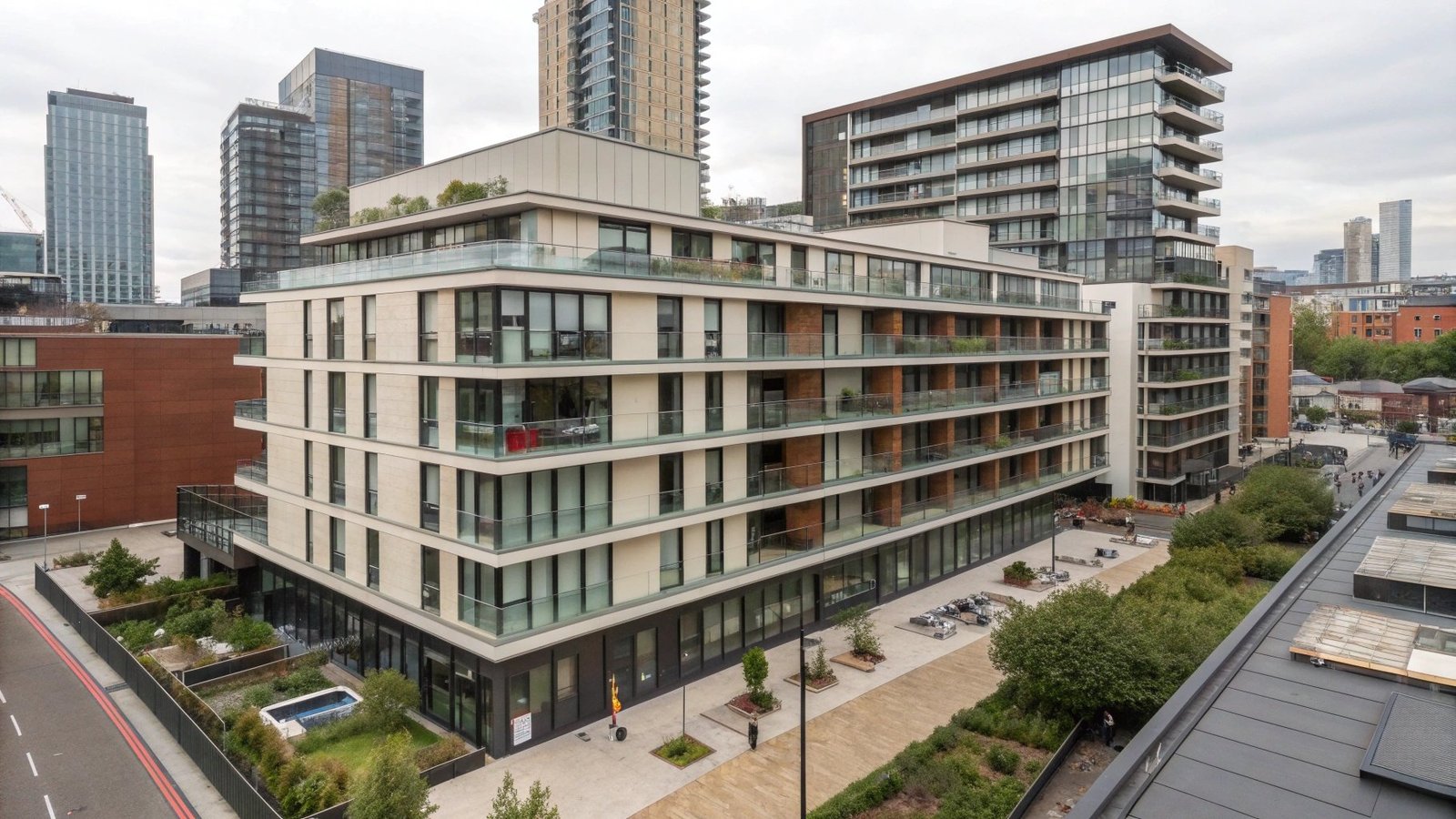
Buying a flat differs significantly from purchasing a house. Leasehold ownership, shared building elements, and service charges create unique considerations requiring specialized knowledge. This comprehensive guide explains what you need to know when getting a survey for a flat, from understanding leasehold terms to assessing building condition and future costs when buying a property.
Why Flat Surveys Require Special Consideration
When you're buying a home in a multi-occupancy building, your property survey must examine both your individual flat and the building's overall condition. Unlike houses where you own and maintain everything, flat ownership means shared responsibility for communal areas, structure, and facilities. Understanding these shared elements is critical before purchase.
A qualified surveyor conducting a home survey for a flat will examine your flat's interior condition, assess the building's overall state where visible, identify shared elements and maintenance responsibilities, and flag concerns about building management or service charges. These observations complement legal investigations your solicitor conducts into leasehold terms and building accounts.
Leasehold Reality
Most flats in England and Wales are leasehold—you own the property for a set term (often 99-999 years) but not the freehold. This creates ongoing obligations including ground rent, service charges, and restrictions on alterations. Scotland has different systems (factoring), while some newer developments offer share of freehold. Understanding your ownership type is essential.
What Makes Flat Surveys Different
Access Limitations
Flat surveys face access constraints not present in house surveys. Surveyors typically cannot inspect roofs, external walls above ground floor, or communal areas like plant rooms and basements. However, they examine what's accessible and make reasonable inferences about overall building condition based on visible evidence.
Your house survey report will note limitations clearly. If significant building elements remain unexamined, consider whether you're comfortable proceeding or if additional investigations are warranted. Sometimes building management provides maintenance records or recent condition reports surveyors can review.
Shared Building Elements
Understanding which elements you own versus which are communal is crucial. Typically, flat owners maintain internal fixtures and fittings, internal decorations, windows and balconies (sometimes), and internal plumbing and electrics serving only their flat. Meanwhile, the freeholder/management company maintains the roof structure and covering, external walls and structure, communal hallways and stairs, lifts, entry systems, and shared utilities.
Your surveyor identifies shared elements and assesses their condition where visible. Poor maintenance of communal areas suggests management problems potentially affecting future service charges.
Essential Checks When Buying a Flat
1. Building Exterior and Structure
Walk around the building before your viewing. Look for obvious problems like crumbling render or brickwork, leaning walls or structural movement, broken or missing guttering, and deteriorating balconies or external features. These indicate deferred maintenance likely requiring expensive repairs funded through service charge increases.
Critical Issues
Particular concern areas for apartment buildings include cladding (post-Grenfell regulations), concrete cancer in older concrete construction, and water penetration in modern render systems. These problems cost hundreds of thousands to address—costs shared among residents. Your surveyor flags concerns, but specialist building investigations may be necessary.
2. Your Flat's Interior Condition
Within your flat, surveyors examine similar elements as house surveys including walls, ceilings, and floors, kitchen and bathroom condition, windows and doors, heating and plumbing, and electrical installations. However, they also assess how your flat connects to the building—where shared services enter, potential for water penetration from flats above, and noise insulation between units.
Water leaks from neighboring flats are common flat-ownership problems. During inspection of the property, surveyors look for staining suggesting past leaks. Ask about leak history—repeated problems indicate building defects or poor resident cooperation in addressing issues.
3. Communal Areas Assessment
When viewing, examine communal areas carefully. Well-maintained hallways, clean stairwells, and functioning lifts suggest effective management. Conversely, neglected communal areas with broken fixtures, peeling paint, or security systems not working indicate management problems.
Check fire safety provisions including fire doors on flats and stairwells, working fire alarms and emergency lighting, clear escape routes without obstructions, and posted fire safety information. Poor fire safety is a serious concern—building may require expensive remediation funded through service charges.
4. Service Charges and Ground Rent
Request several years of service charge accounts and ground rent details. Look for escalating service charges year-on-year, large one-off charges for major works, unpaid charges creating deficits, and inadequate sinking fund balances for future repairs. Your solicitor investigates these legally, but understanding financial health early informs your decision.
Typical Annual Flat Ownership Costs 2026
| Cost Type | Annual Range |
|---|---|
| Service charges (basic) | £800-£2,000 |
| Service charges (buildings with lifts/porter) | £2,000-£5,000+ |
| Ground rent | £50-£500 |
| Buildings insurance (via service charge) | £100-£400 |
| Reserve fund contributions | £200-£1,000 |
Ground rent should be reasonable—typically £50-£250 annually. "Onerous" ground rents doubling periodically make properties difficult to sell and mortgage. If ground rent exceeds £250 annually, investigate terms carefully with your solicitor.
5. Lease Length and Terms
Lease length dramatically affects flat value and mortgageability. Leases under 80 years become difficult to mortgage and expensive to extend. Below 60 years, many lenders won't lend at all. If your potential property has a short lease, factor extension costs (£5,000-£20,000+) into your budget or negotiate with the seller to extend before purchase.
Review lease terms regarding alterations (can you make internal changes?), pets (are they permitted?), subletting (can you rent the flat out?), and management company powers and responsibilities. Restrictive leases affect enjoyment and resale prospects.
Survey Types for Flats
RICS Home Survey Level 2 for Flats
Most flat buyers choose a RICS home survey level 2 (formerly HomeBuyer Report). This provides condition assessment of your flat's interior and visible building elements. The report flags defects requiring further investigation and provides advice on maintenance and repairs.
For modern flats in well-maintained buildings, level 2 surveys typically suffice. Home survey costs for flats are often lower than houses due to smaller floor areas—typically £400-£700 depending on location and size.
Building Survey (Level 3) for Flats
For older conversion flats, properties in poor condition, or when buying in buildings with obvious maintenance issues, consider a RICS level 3 building survey. This comprehensive inspection provides detailed analysis of condition and defects, helping you understand repair priorities and costs.
Building surveys for flats cost £550-£1,000 depending on size and complexity. The investment is worthwhile when dealing with complex conversion buildings or properties where you're planning major works.
What Flat Surveys Don't Cover
Remember, flat surveys don't examine inaccessible building elements like roof structures unless visible from your flat, the building's structural frame, communal plant rooms or services, or other residents' flats. For comprehensive building condition assessment, review management company maintenance records and recent professional reports if available.
New Build Flat Considerations
Snagging Surveys for New Apartments
New build flats benefit from warranties (typically 10 years NHBC or similar) but still have construction defects needing identification. A snagging survey before completion identifies defects the developer should rectify. Common issues include poor decorating finishes, ill-fitting doors and windows, plumbing and heating problems, and electrical faults.
Snagging surveys cost £300-£600 for typical flats and prevent accepting properties with avoidable defects. New build developers must address snagging issues before you complete purchase.
Cladding and Fire Safety
Post-Grenfell, cladding on multi-story buildings is critical concern. New builds should have compliant cladding, but verify this. Request confirmation that external wall systems meet current fire safety standards. Buildings with non-compliant cladding face expensive remediation, restricted mortgageability, and difficulty selling.
Your surveyor cannot determine cladding compliance without specialist testing, but they note cladding types and recommend further investigation if concerns exist. Lenders increasingly require EWS1 forms (External Wall System certificates) confirming fire safety—ensure these are available before proceeding.
Common Flat-Specific Problems
Noise and Sound Insulation
Poor sound insulation between flats is common, particularly in older conversions. Surveyors cannot test sound transmission, but they note floor and wall construction types. Solid concrete floors provide better sound insulation than timber joists. If noise concerns you, visit the building at different times assessing typical noise levels.
Water Penetration from Above
Flats below bathrooms or on lower floors risk water damage from leaks in flats above. Surveyors look for ceiling staining indicating past leaks. Ask about leak history—buildings with repeated problems suggest inadequate waterproofing or poor building design requiring expensive remediation.
Parking and Storage
Verify what's included with the flat—designated parking spaces, storage units, or bike storage. Check if these are leasehold (included in your purchase) or separate arrangements. Parking in urban areas adds significant value—properties without parking are harder to sell.
Questions to Ask Before Buying a Flat
Essential Questions
- What's the remaining lease term?
- What are the current service charges and ground rent?
- Have there been major works in the last 5 years? What cost?
- Are major works planned for the next 5 years?
- What's in the building's sinking/reserve fund?
- Who manages the building? What's their reputation?
- Are there any ongoing disputes with residents or management?
- What insurance arrangements exist for the building?
- Can I see several years of service charge accounts?
- Are there any cladding or fire safety issues?
Red Flags When Buying Flats
Walk Away If:
- Short lease: Under 70 years unless heavily discounted for extension costs
- Onerous ground rent: Doubling periodically or exceeding £500 annually
- Service charge arrears: Building has significant unpaid charges
- Major planned works: Expensive works imminent with insufficient reserves
- Cladding issues: Building has fire safety problems without remediation plan
- Management disputes: Ongoing legal disputes between residents and management
- Severe building defects: Obvious structural problems requiring expensive repairs
Unmortgageable Flats
Some flats are unmortgageable due to short leases (under 60 years), dangerous cladding without EWS1 certificates, properties above commercial premises (depending on use), or flats in buildings with major structural problems. Check mortgageability before investing in surveys and legal work.
Conclusion: Informed Flat Buying Decisions
Buying a flat requires understanding both your individual property and the building as a whole. A comprehensive home survey examining your flat's condition plus careful investigation of lease terms, service charges, and building management ensures you buy with confidence.
Whether you're buying a property in a modern apartment block or a converted Victorian house, professional survey advice is essential. Flat surveys identify issues within your control and flag concerns about building-wide elements affecting ongoing costs and enjoyment.
Buying a Flat or Apartment?
Get a professional flat survey from surveyors experienced with leasehold properties. We assess your flat's condition and identify building-wide concerns affecting your purchase decision.
Request Your Survey Quote Today