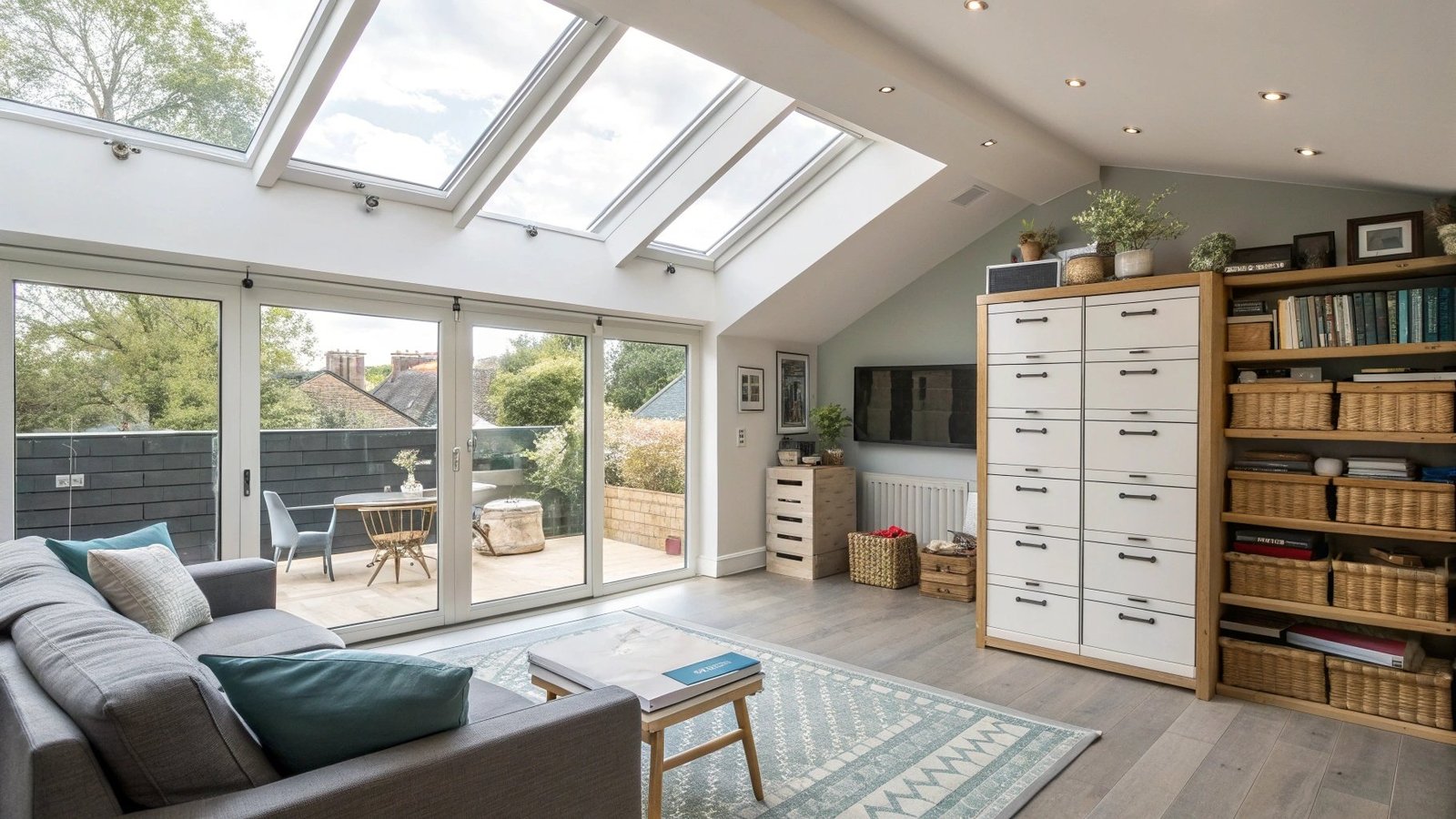
Planning to extend your home? Before you commit to architects, contractors, and building works, a comprehensive house survey is essential. Whether you're adding a rear extension, converting a loft, or building a side return, understanding your property's existing condition prevents costly mid-project discoveries. This guide explains why surveys are crucial before extensions and what you need to know.
Why Surveys Matter Before Property Extensions
Many homeowners focus on design and planning permission when planning major works, overlooking the critical step of assessing existing building condition. A qualified surveyor examining your property before extension work begins identifies issues that could derail your project or dramatically increase costs.
Extensions place additional loads on existing structures. Your foundations must support increased weight, walls may need strengthening, and drainage systems require capacity for additional rooms. A RICS level 3 building survey assesses whether your property can accommodate planned changes without expensive remedial work.
Key Insight
Discovering that foundations are inadequate or structural walls are deteriorating after your architect has designed plans and you've obtained planning permission creates expensive problems. The survey undertaken before design work ensures your extension plans are structurally feasible from the outset.
Types of Extensions Requiring Professional Surveys
1. Rear and Side Extensions
Single-story rear extensions are among the most popular home improvements. However, these additions require careful assessment of existing foundations, load-bearing walls, and drainage. Surveyors examine whether current foundations can support extension walls or if underpinning is necessary—a significant additional cost affecting project viability.
Side return extensions in terraced or semi-detached properties present unique challenges. Party walls shared with neighbors require party wall agreements, and structural connections between old and new construction need careful planning. A building survey identifies existing structural issues that could complicate these connections.
Typical Extension Costs 2026
| Extension Type | Cost per m² | Additional Survey Findings Can Add |
|---|---|---|
| Single-story rear | £1,800-£2,500 | £5,000-£15,000 |
| Two-story extension | £2,000-£3,000 | £10,000-£25,000 |
| Side return | £1,500-£2,200 | £3,000-£12,000 |
2. Loft Conversions
Converting unused loft space into habitable rooms is cost-effective compared to ground-level extensions, but structural considerations are critical. Your surveyor assesses roof structure integrity, existing floor joists' load-bearing capacity, and whether walls below can support additional loads from new rooms and staircases.
Many properties have roof structures designed only to support the roof itself, not habitable rooms. Strengthening timbers, adding steel beams, or redesigning roof structure adds significant costs. The house survey identifies these requirements before you commit to loft conversion plans.
Critical Warning
Loft conversions also require assessing fire escape routes, ceiling heights, and head room. Building regulations demand specific standards for habitable spaces. A building survey highlights whether your loft meets minimum requirements or if expensive modifications are needed to achieve compliance.
3. Basement Conversions and Extensions
Creating or extending basements is expensive and complex. Waterproofing, underpinning adjacent properties, and managing groundwater are major considerations. A structural survey assesses existing foundation depths, soil conditions, and proximity to neighboring properties' foundations.
Basement projects often encounter unexpected conditions—underground streams, contaminated soil, or archaeological finds. While surveys can't predict all possibilities, they identify known risks and help you budget appropriate contingency. Basement conversion costs typically range from £2,000-£4,000 per square meter, making pre-project assessment essential.
What Extension Surveys Reveal
Foundation Condition and Capacity
Your property's foundations support the entire structure. Extensions add significant weight, requiring foundations capable of bearing increased loads. During an inspection of the property, surveyors examine visible foundation elements, assess soil type, and evaluate whether existing foundations meet current building regulations.
Older properties often have shallow foundations inadequate for modern extension requirements. Surveyors identify if underpinning is necessary—a process where foundations are deepened or strengthened. Underpinning costs £10,000-£25,000+ depending on extent, significantly impacting extension budgets.
Foundation Facts
Modern building regulations require foundations at least 1 meter deep, but many Victorian and pre-1950s properties have foundations only 400-600mm deep. If your extension requires deeper foundations, connecting new to old creates technical challenges your surveyor and structural engineer must address.
Structural Wall Assessment
Extensions often require removing or altering existing walls. Knowing which walls are load-bearing is critical—removing a structural wall without proper support causes catastrophic failure. Your qualified surveyor identifies load-bearing elements and advises where steel beams or lintels are necessary.
The survey also assesses structural wall condition. Walls with existing cracks, movement, or damp problems require remediation before connecting new extensions. Failing to address these issues first leads to progressive damage affecting both old and new construction.
Drainage and Services
Extensions add bathrooms, kitchens, and living spaces requiring drainage connections. Your existing drainage system must have capacity for additional waste water and sewage. Surveyors examine accessible drainage, note manhole locations, and identify potential connection points.
Older properties often have combined storm and foul water drainage. Modern building regulations increasingly require separation. If your drainage needs upgrading to accommodate extensions, costs range from £2,000-£8,000 depending on complexity. Identifying these requirements early prevents mid-project complications.
Party Wall Considerations
If your extension affects party walls (walls shared with neighbors), the Party Wall Act 1996 applies. You must serve party wall notices and potentially appoint party wall surveyors. A building survey identifies party wall locations and potential issues that could complicate neighbor agreements.
Party Wall Process
Party wall disputes can delay projects by months. Your surveyor advises on party wall implications, helping you engage neighbors early. Party wall surveyor fees typically cost £700-£1,200 per party, plus potential costs for neighboring properties' surveyors if disputes arise.
Building Regulations and Planning Permission
Survey Findings and Planning Applications
While surveys aren't required for planning permission applications, survey findings influence design decisions. If your surveyor identifies structural problems, your architect can modify designs to address issues. This integrated approach prevents designing extensions that are either structurally unfeasible or require expensive remedial work.
Planning authorities care about external appearance, impact on neighbors, and land use. Building control focuses on structural integrity, fire safety, and building regulations compliance. Your survey bridges these concerns, ensuring proposed extensions are both plannable and buildable.
Building Regulations Compliance
All extensions require building regulations approval. Building control inspects at various stages ensuring work meets structural, fire safety, thermal performance, and accessibility standards. A pre-extension survey identifies existing building regulations violations that must be rectified as part of your project.
For example, if your survey reveals that electrical installations are outdated or existing fire separation is inadequate, these issues must be addressed alongside extension work. Understanding full scope early prevents budget overruns when building control requires unexpected remedial work.
Working with Structural Engineers
When Structural Engineers Are Essential
Most extensions require structural engineer input for calculations and design. Your building survey provides engineers with comprehensive information about existing conditions, allowing accurate calculations for new structural elements. Engineers specify steel beam sizes, foundation depths, and connection details.
If your survey reveals existing structural problems, engineers design solutions addressing both current defects and future extension loads. This holistic approach ensures your property is structurally sound throughout, not just in newly constructed areas.
Professional Fees for Extension Projects
| Professional | Service | Typical Cost |
|---|---|---|
| Building Surveyor | Pre-extension survey | £600-£1,200 |
| Structural Engineer | Calculations & drawings | £500-£2,000 |
| Architect | Design & planning | 8-12% of build cost |
| Party Wall Surveyor | Party wall matters | £700-£1,200 |
Case Study: Extension Survey Prevents Disaster
Real-World Example
Homeowner: Lisa, planning a two-story rear extension
Planned budget: £85,000 for 25m² extension
Survey Findings:
- Existing foundations only 450mm deep—inadequate for two-story load
- Rear wall showing signs of subsidence with progressive cracking
- Drainage system at capacity, requiring complete replacement
- Asbestos-containing roof over area to be demolished
Additional Costs Required:
- Underpinning existing and new foundations: £18,000
- Structural stabilization of rear wall: £8,000
- New drainage system: £6,000
- Asbestos removal: £2,500
- Total additional: £34,500
Outcome: Lisa obtained accurate quotes accounting for all work, secured additional finance, and completed the project knowing full costs upfront. Without the survey, these issues would have emerged mid-construction, potentially halting work and destroying her budget.
Budgeting for Pre-Extension Surveys
Survey Investment vs. Project Risk
A comprehensive building survey costs £600-£1,200 for typical properties. Against extension costs of £40,000-£150,000+, this represents less than 2% of project budget. However, the survey can save tens of thousands by identifying problems before you commit to designs and contractors.
Consider survey costs as insurance against expensive surprises. Discovering foundation problems costs £1,000 in survey fees versus £20,000 in unexpected underpinning mid-project. The return on investment is substantial.
Additional Investigations
Depending on survey findings, additional investigations may be necessary:
- Trial pits: Excavations revealing foundation depths and soil conditions (£500-£1,500)
- Structural engineer inspection: Specialist assessment of concerning structural elements (£500-£1,200)
- Drainage survey: CCTV inspection of underground drains (£150-£400)
- Ground investigation: Soil testing for basement or major foundation work (£1,000-£3,000)
Budget Planning
Include survey and investigation costs in your extension budget from the start. These aren't optional extras—they're essential due diligence protecting your investment and ensuring project success.
Frequently Asked Questions
Do I need a survey if I'm only building a small extension?
Yes. Even small extensions add significant loads to existing structures and require building regulations compliance. A survey identifies whether your property can accommodate changes without unexpected costs. Small extensions still represent £20,000-£50,000+ investments deserving proper due diligence.
When should I get the survey—before or after planning permission?
Ideally before. Survey findings may influence your design, making certain approaches unfeasible or requiring modifications. Getting the survey first ensures your planning application is based on structurally sound designs. However, surveys aren't required for planning applications themselves.
Will my architect arrange the survey?
Some architects offer integrated services including surveys, but many expect clients to commission surveys independently. Discuss this with your architect early. If arranging your own survey, share findings with your architect so they inform design decisions.
Can I use a basic survey instead of a full building survey?
No. RICS level 1 or level 2 surveys don't provide sufficient detail for planning major works. You need a comprehensive RICS level 3 building survey examining structural elements thoroughly and providing detailed guidance on defects and necessary repairs.
What if the survey reveals problems making my extension unaffordable?
Better to discover this before spending thousands on architects and planning applications. Survey findings allow informed decisions—you can modify plans to reduce costs, phase work over time, or reconsider whether the extension represents good value. Knowledge protects your finances.
Conclusion: Survey First, Build Second
Property extensions represent significant investments improving your home's value, space, and functionality. However, building on problems without understanding existing conditions creates expensive disasters. A comprehensive building survey undertaken by a qualified surveyor protects your investment and ensures your extension project succeeds.
Whether you're planning a rear extension, loft conversion, or side return, professional survey advice is essential. The modest survey cost provides comprehensive information about your property's condition, structural capacity, and suitability for planned works. This knowledge enables informed decisions, accurate budgeting, and confident project management.
Planning a Property Extension?
Get a comprehensive RICS Level 3 building survey before you start. Our experienced surveyors assess structural suitability for extensions and identify issues affecting your project budget and feasibility.
Request Your Survey Quote Today