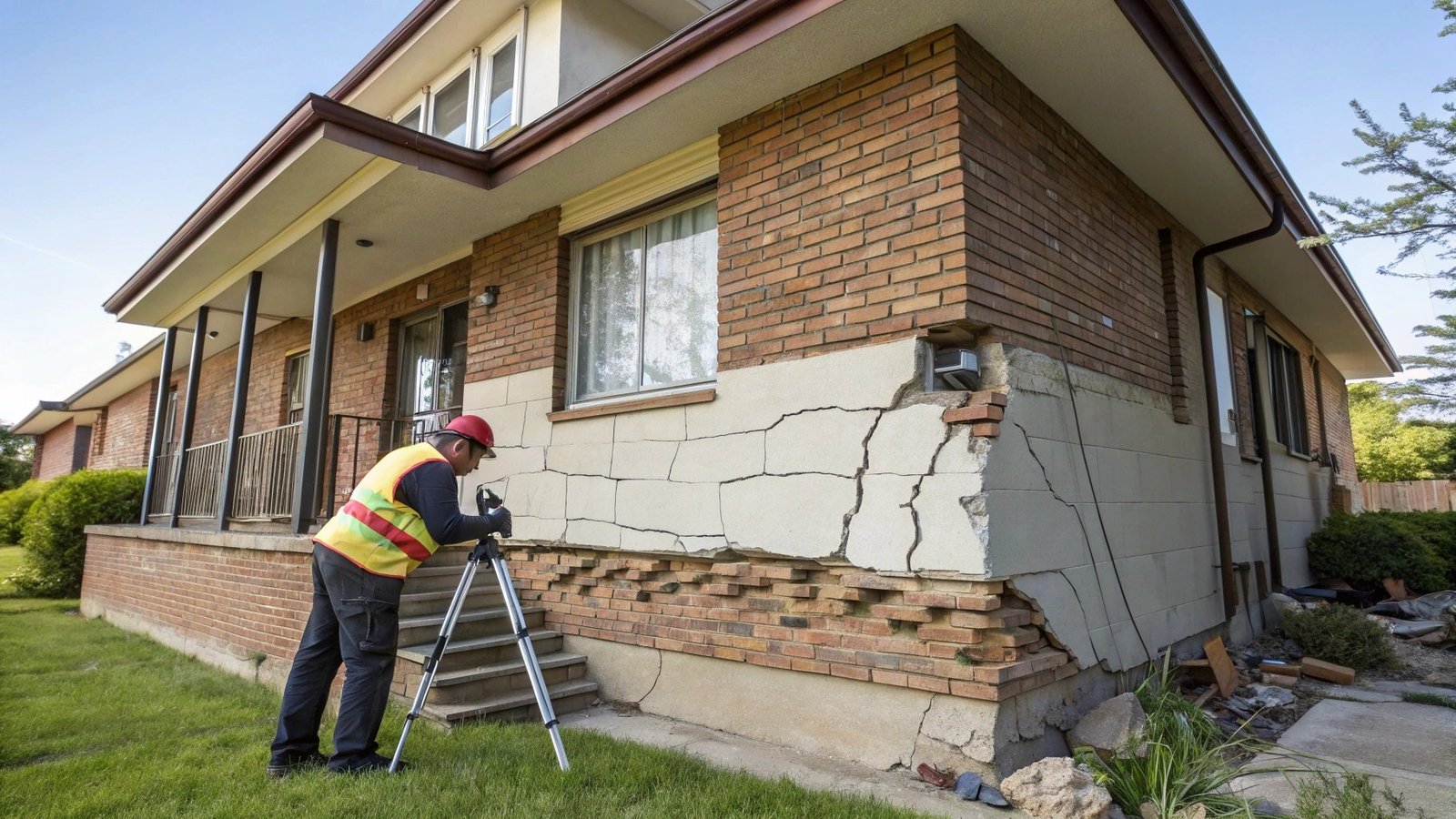
Discovering structural issues during a house survey can be alarming, but understanding these defects is the first step to making an informed property decision. In this comprehensive guide, we'll explore the most common structural problems surveyors identify, what they mean for your property's condition, and how to address potential issues before you buy the property.
Understanding Structural Defects in Property Surveys
When you're buying a property, structural integrity is one of the most critical considerations. A qualified surveyor conducting a home survey will carefully examine the building's structure to uncover issues that could affect your budget for repairs, safety, or long-term investment. Understanding what structural survey results reveal is essential whether you're organising a RICS home survey level 2, a level 3 building survey, or any survey type in between.
Structural defects range from minor cosmetic concerns to serious problems requiring immediate attention. The type of survey you choose will determine how thoroughly these issues are investigated. A basic level 1 survey may flag visible concerns, while a comprehensive building survey (level 3) will provide detailed analysis of potential structural problems throughout the property's condition.
Most Common Structural Issues Found in House Surveys
1. Subsidence and Ground Movement
Subsidence occurs when the ground beneath a property sinks, pulling the building's foundations down with it. This is one of the most serious structural issues a surveyor may identify. Signs include diagonal cracks wider than 3mm, cracks appearing after a dry spell, doors and windows sticking, and rippling wallpaper where walls are distorting.
Subsidence is particularly common in areas with clay soil, near trees with extensive root systems, or in properties built on unstable ground. A RICS level 3 survey or building survey is recommended if you suspect subsidence, as these inspections provide the most detailed investigation of structural movement. Your surveyor will measure and monitor cracks, assess the property's foundations, and recommend whether you need specialist investigation.
Critical Warning
Addressing subsidence typically requires underpinning—a process where the foundations are strengthened or deepened. This can cost between £10,000 and £50,000 depending on the extent of work needed. Before you buy the property, it's essential to negotiate the survey cost of repairs with the seller or walk away if the issues are too severe.
2. Wall Cracks and Structural Movement
Not all cracks indicate serious structural problems. Fine hairline cracks are often cosmetic and result from normal settlement or thermal expansion. However, larger cracks—especially those wider than 5mm, diagonal cracks, or cracks that appear suddenly—may signal structural movement that requires attention.
During a home survey level 2 or level 3 inspection, your qualified surveyor will categorize cracks using the Building Research Establishment (BRE) damage classification system:
- Category 0-1: Hairline cracks less than 0.1mm - negligible, aesthetic only
- Category 2: Cracks up to 5mm - slight damage, easily filled
- Category 3: Cracks 5-15mm - moderate damage requiring repair
- Category 4-5: Cracks over 15mm - severe to very severe, structural concern
Common causes include subsidence, heave (ground swelling), thermal movement, or defects in the property's original construction. The surveyor will note crack locations, widths, and patterns in the house survey report, helping you understand whether monitoring or immediate repair is needed.
3. Roof Structure and Timber Defects
The roof structure is a critical element inspected during building surveys. Common issues include sagging roof lines, inadequate support for roof loads, broken or missing tiles, and timber decay from dampness or wood-boring insects. In older properties, original timber rafters may have been altered or weakened over time, affecting the roof's structural integrity.
Survey Insight
A RICS level 1 home survey provides a basic visual inspection from ground level, but won't uncover hidden roof defects. For a thorough assessment, especially when buying a conventional property with an older roof, consider a level 2 home survey or level 3 survey, where the surveyor will inspect the roof space and assess timber condition more thoroughly.
Roof repairs can range from £500 for minor tile replacements to £15,000+ for complete re-roofing or structural timber replacement. Identifying these defects before buying a home allows you to factor repair costs into your offer or arrange for the seller to address the issues before completion.
4. Dampness and Water Penetration
While damp is often considered a maintenance issue, persistent moisture can lead to serious structural damage. Water penetration rots timber joists and lintels, corrodes steel supports, and causes masonry to deteriorate. During an inspection of the property, surveyors use moisture meters to detect hidden dampness behind walls and under floors.
Common sources include:
- Defective guttering and downpipes
- Failed damp proof courses
- Condensation from poor ventilation
- Penetrating damp through walls
- Rising damp from ground moisture
In severe cases, prolonged dampness can compromise load-bearing timbers, requiring extensive structural repairs. A RICS home survey level 2 includes a damp and timber inspection, making it suitable for most conventional properties.
Addressing damp problems early prevents escalation into major structural issues. Treatment costs vary from £500 for improving ventilation to £5,000+ for damp proof course installation or timber replacement. Your home survey report will identify the type and likely cause of dampness, helping you decide whether concerns about the property warrant further specialist investigation.
5. Foundation Problems
Foundation defects are among the most concerning structural issues because they affect the entire building's stability. Signs include uneven floors, doors that won't close properly, visible settlement cracks, and gaps between walls and floors or ceilings. Foundations may fail due to poor original construction, ground movement, water damage, or tree root interference.
A level 3 building survey is the most comprehensive inspection for assessing foundation integrity. The surveyor will examine external ground levels, drainage, and visible foundation elements. If significant concerns arise, they may recommend a structural engineer's assessment before you proceed with buying a property.
Foundation Repair Costs 2026
| Issue Type | Typical Cost Range |
|---|---|
| Minor crack repairs | £500-£2,000 |
| Underpinning (single wall) | £10,000-£20,000 |
| Full underpinning (detached house) | £30,000-£50,000 |
| Structural engineer report | £500-£1,500 |
How Different Survey Types Identify Structural Issues
RICS Level 1 Survey (Condition Report)
The RICS level 1 home survey is the most basic inspection and won't uncover hidden structural defects. It provides a traffic-light rating system for visible elements but doesn't include detailed investigation. This survey type is only suitable for newer properties in reasonable condition where you don't expect structural problems.
Best for: New builds or modern homes less than 20 years old
Survey costs: £350-£500
Structural coverage: Basic visual inspection only
RICS Home Survey Level 2
The level 2 survey (formerly HomeBuyer Report) is the most popular choice when buying a conventional property built from common building materials. It includes a more thorough inspection than level 1, with the surveyor examining accessible areas for structural movement, dampness, timber defects, and other concerns about the property.
This survey provides a condition rating for major elements and flags defects requiring further investigation. It's ideal for properties in reasonable condition where you want assurance about structural integrity without the expense of a full building survey.
Best for: Standard properties 20-100 years old in reasonable condition
Survey costs: £450-£800
Structural coverage: Detailed inspection of accessible areas
RICS Level 3 Survey (Building Survey)
The building survey is the most comprehensive and detailed survey available. Recommended for older properties, those in poor condition, or when you're planning major works, this inspection examines every accessible part of the building's structure. The surveyor will investigate potential issues thoroughly, providing detailed advice on defects, repair options, and estimated costs.
If you're dealing with a large building that is unusual, have specific concerns, or want the deepest level of structural analysis, a level 3 survey provides the information needed to make confident decisions about buying a home.
Best for: Properties over 100 years old, unusual construction, or poor condition
Survey costs: £600-£1,500
Structural coverage: Comprehensive structural analysis
What to Do When Your Survey Reveals Structural Issues
Step 1: Review the Survey Report Carefully
Once you receive your house survey report, read it thoroughly. Focus on sections describing defects in the property and the surveyor's recommendations. Urgent issues requiring immediate attention will be clearly flagged. Understanding the report helps you assess whether potential issues are dealbreakers or negotiable concerns.
Step 2: Speak to Your Surveyor
Don't hesitate to contact your qualified surveyor for clarification. They can explain technical terms, discuss the severity of structural problems, and advise whether specialist investigation is needed. Many buyers underestimate the value of a follow-up conversation with the surveyor, but this dialogue can significantly inform your decision-making.
Pro Tip
Most surveyors include a follow-up call as part of their service. Use this opportunity to ask questions like: "Is this crack active or historic?", "What's the worst-case scenario?", "Can I live with this issue or must it be fixed immediately?", and "What should I prioritize if budget is limited?"
Step 3: Get Specialist Assessments if Needed
For serious structural issues like subsidence, extensive timber decay, or foundation problems, your surveyor may recommend consulting a structural engineer or specialist contractor. These experts can provide detailed assessments and repair cost estimates that help you understand the true condition of the property before finalizing your purchase.
Step 4: Negotiate with the Seller
Armed with information from your home survey, you're in a strong position to renegotiate. Options include:
- Price reduction: Request a decrease reflecting repair costs
- Seller repairs: Ask them to complete works before completion
- Shared approach: Split costs or responsibilities
- Walk away: Withdraw if issues are too severe
Remember, it's the buyer who pays for the survey, but the information it provides protects your investment. Use the survey results to ensure you're buying a property at a fair price that reflects its true condition.
Step 5: Plan Remedial Works
If you proceed with the purchase despite structural concerns, plan how and when you'll address the defects. Some repairs should happen before you move in, while others can be scheduled over time. Work with qualified contractors and ensure repairs are completed to building regulations standards.
Preventing Future Structural Problems
Once you own your property, ongoing maintenance helps prevent structural issues developing. Key preventative measures include:
- Maintaining gutters and downpipes to prevent water damage
- Managing trees near the property to avoid root-related subsidence
- Addressing minor defects promptly before they escalate
- Ensuring adequate ventilation to prevent dampness
- Conducting periodic inspections of roof, foundations, and walls
Regular maintenance is far more cost-effective than major structural repairs. By staying vigilant and addressing concerns early, you protect both the property's value and your family's safety.
Frequently Asked Questions About Structural Issues
What structural problems should stop me buying a property?
Severe subsidence, major foundation failure, extensive structural movement, or defects requiring repairs exceeding 10-15% of the property's value are often dealbreakers. However, every situation is unique—speak to your surveyor about whether issues are manageable or should stop the purchase.
Can I get a mortgage if the survey reveals structural issues?
Many mortgage lenders require serious structural problems to be resolved before they'll lend. A mortgage valuation focuses on the property's value rather than condition, but surveyors conducting valuations will flag major structural concerns that could affect the lender's security.
How much does structural repair typically cost?
Costs vary enormously depending on the problem. Minor crack repairs may cost £500-£2,000, while major underpinning or foundation work can run £10,000-£50,000+. Your survey report should provide estimated repair costs to help you budget accurately.
Should I get a level 2 or level 3 survey for structural concerns?
If you already suspect structural problems, a level 3 building survey provides the most comprehensive inspection. For standard properties in reasonable condition, a level 2 home survey is usually sufficient and will flag any concerns requiring further investigation.
What should I do if the survey reveals unexpected structural issues?
First, speak to your surveyor for clarification. Then get specialist quotes for repairs, renegotiate with the seller (price reduction or repairs), consider whether the issues affect your plans for the property, and make an informed decision about whether to proceed, renegotiate, or withdraw from the purchase.
Making Informed Decisions About Structural Issues
Discovering structural problems in a house survey report doesn't automatically mean you should walk away from the property. Many issues are repairable, and understanding the true condition allows you to negotiate a fair price that reflects necessary work.
The key is getting a survey when buying a house from a qualified surveyor who thoroughly inspects the property. Whether you need a house survey for a Victorian terrace, a modern apartment, or a rural cottage, professional inspection provides the information you need to make confident, informed decisions about one of life's biggest purchases.
Need a Comprehensive House Survey?
Our RICS-accredited surveyors provide detailed inspections that uncover structural issues before you buy. Get a survey when buying a house to protect your investment and negotiate with confidence.
Request Your Survey Quote Today