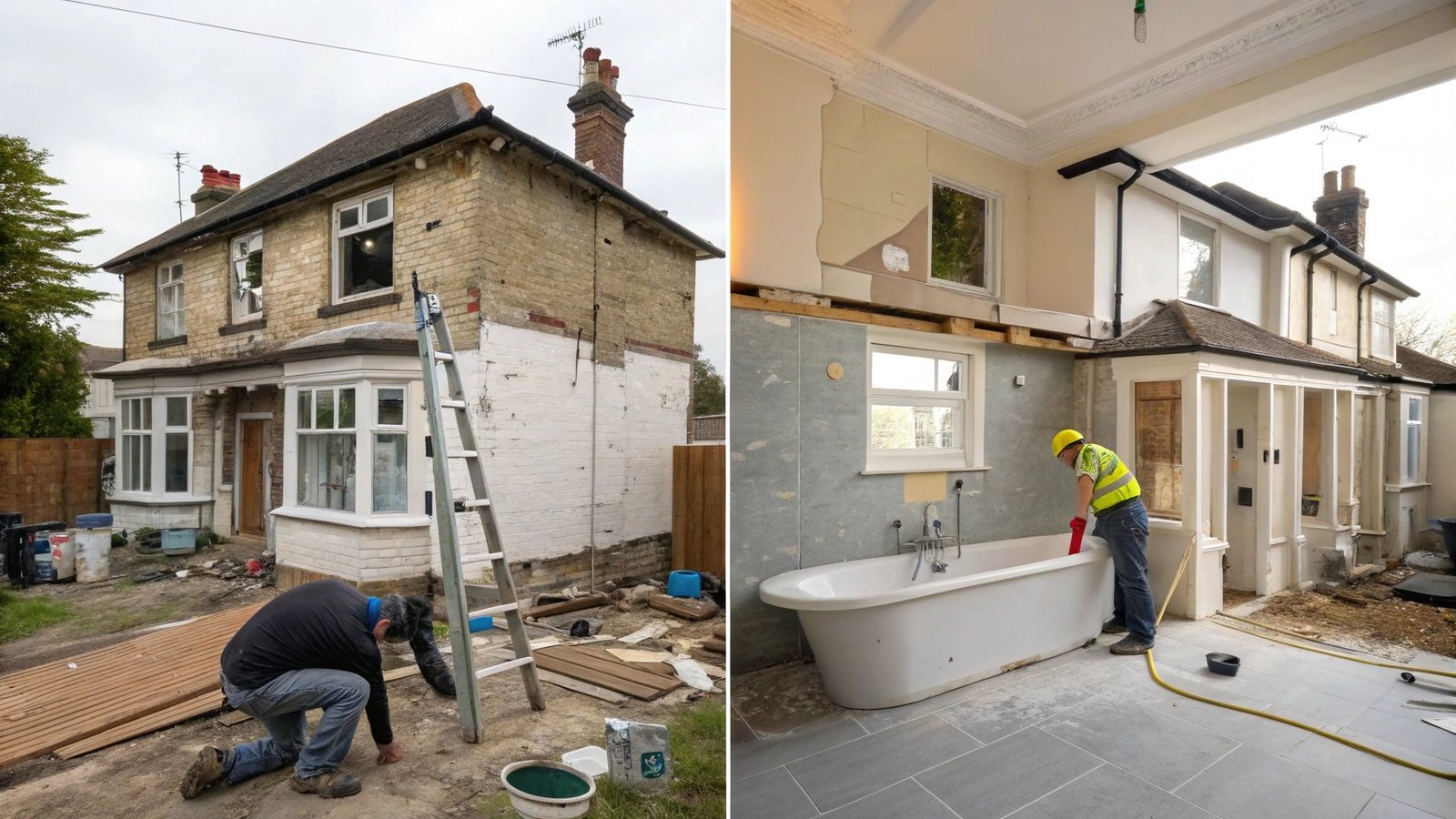
Planning major renovation works on a property? Before you buy the property or commit to extensive construction, a comprehensive house survey is essential. In this detailed guide, we'll explore why surveys are critical when you're planning major works, what defects surveyors uncover, and how to avoid costly surprises during your renovation project.
Why You Need a Survey Before Renovation Projects
When you're buying a property with renovation plans or you're planning major works on your existing home, a detailed structural survey reveals critical information about the building's condition. Many homeowners and investors skip this step, only to discover expensive structural problems mid-project that blow budgets and delay timelines.
A qualified surveyor conducting a RICS level 3 building survey examines every accessible element of the structure. This comprehensive inspection identifies hidden defects, assesses load-bearing capabilities, flags safety concerns, and provides estimated repair costs—information that's invaluable when planning a renovation budget.
Expert Insight
Whether you're converting a loft, extending a kitchen, knocking through walls, or completely refurbishing a property, understanding the existing condition through a professional house survey protects your investment and ensures your renovation plans are structurally feasible.
Types of Renovations Requiring a Comprehensive Survey
1. Structural Alterations
Removing walls, creating open-plan spaces, or adding new structural openings requires understanding which walls are load-bearing. A building survey identifies structural elements that support the property, helping you plan alterations safely. Your surveyor will flag walls that cannot be removed without additional structural support, preventing dangerous mistakes.
If you're planning extensions or loft conversions, the survey assesses whether existing foundations and structures can support additional loads. This is particularly important for older properties where foundations may not meet modern standards or where previous alterations have weakened structural integrity.
2. Complete Property Refurbishment
Buying a property for complete renovation demands the most detailed survey available. A RICS level 3 survey provides comprehensive analysis of every building element, uncovering hidden problems like:
- Timber decay from prolonged dampness
- Damp penetration affecting structural elements
- Defective roofs requiring extensive repairs
- Outdated electrical or plumbing systems
- Structural movement or foundation issues
Budget Protection
Understanding the full extent of necessary work prevents budget overruns. Many renovation projects spiral out of control financially because structural issues weren't identified before work began. A thorough survey undertaken before purchase allows you to negotiate the property price based on true condition or walk away if the defects are too extensive.
3. Period Property Restoration
Victorian, Georgian, and Edwardian properties present unique renovation challenges. These homes often feature original materials and construction methods that require specialist knowledge. A qualified surveyor experienced with period properties will identify issues specific to older buildings, such as:
- Lime mortar deterioration
- Historic damp problems
- Original timber condition
- Structural movement patterns
- Non-standard construction methods
When you're planning major works on a period property, the survey guides appropriate restoration methods that preserve character while meeting modern standards. This is essential whether you're dealing with listed buildings or simply want to maintain historical features during renovation.
What Renovation Project Surveys Reveal
Hidden Structural Problems
The most valuable aspect of a building survey for renovations is discovering problems hidden behind walls, under floors, or above ceilings. Common findings include:
- Rotten joists and floor timbers affecting structural integrity
- Concealed damp and water damage requiring treatment
- Defective lintels over doors and windows
- Inadequate foundations needing strengthening
- Previous alterations done without building regulations approval
These defects significantly impact renovation costs and timelines. Discovering that floor joists need replacing or foundations require strengthening changes project scope dramatically. Identifying issues through a survey before buying a property allows you to factor these costs into your offer or budget.
Building Regulations Compliance Issues
Many properties have undergone alterations over decades without proper building control approval. A thorough inspection reveals non-compliant work that may need rectifying as part of your renovation. Common issues include:
Compliance Warning
- Unapproved extensions or conversions
- Electrical work not meeting current standards
- Inadequate fire separation in conversions
- Structural alterations without calculations
Addressing compliance issues during your renovation prevents problems when you eventually sell. Mortgage lenders and buyers' solicitors increasingly demand building regulations certificates for alterations.
Asbestos and Hazardous Materials
Properties built or renovated before 2000 may contain asbestos in insulation, ceiling tiles, textured coatings, or floor tiles. A building survey identifies suspected asbestos-containing materials, allowing you to arrange proper testing and safe removal as part of your renovation budget.
Other hazardous materials found in older properties include lead paint, outdated wiring with dangerous connections, and contaminated wall cavities. Your surveyor will flag these concerns, ensuring you can plan for safe remediation before major construction begins.
Choosing the Right Survey for Renovation Projects
RICS Level 3 Building Survey: The Essential Choice
For any property you're planning to renovate significantly, the RICS level 3 survey (building survey) is the appropriate choice. This is the most comprehensive and detailed survey available, examining every accessible element and providing in-depth analysis of condition and defects.
Unlike a level 1 or level 2 survey, the building survey doesn't use a traffic-light rating system. Instead, your qualified surveyor provides:
- Detailed descriptions of every element
- Explanations of the significance of defects
- Guidance on necessary repairs
- Indicative repair costs
- Recommendations for specialist investigations
Building Survey Costs 2026
| Property Type | Typical Cost |
|---|---|
| Terraced house | £600-£900 |
| Semi-detached | £700-£1,100 |
| Detached house | £900-£1,500 |
| Large/complex property | £1,200-£2,000+ |
This depth of information is invaluable when planning renovation scope and budget. Home survey costs for a level 3 inspection are higher than other survey types, but this investment is tiny compared to potential renovation cost overruns from undiscovered problems.
Additional Specialist Investigations
Depending on what your building survey reveals, additional specialist reports may be necessary:
Specialist Reports
- Structural Engineer Report: Detailed analysis and design solutions for structural concerns (£500-£1,500)
- Timber and Damp Report: Specialist treatment specifications for extensive decay (£200-£600)
- Drainage Survey: CCTV inspection of underground pipes (£150-£400)
- Asbestos Survey: Sampling and management plan (£200-£500)
- Party Wall Survey: Compliance with Party Wall Act for shared walls (£700-£1,200)
Budget Planning: Survey Findings and Renovation Costs
Understanding Budget Impact
One of the most valuable outputs from a building survey is estimated repair costs. While surveyors aren't cost consultants, they provide indicative figures for addressing defects. This allows you to create realistic budgets that include both planned renovations and necessary repairs.
Budget Reality Check
Planned renovation: £50,000 kitchen extension
Survey reveals:
- Foundation repairs needed: £20,000
- Roof replacement required: £15,000
Actual project cost: £85,000
This significant difference impacts financing and project viability. The survey prevents this shock by identifying issues upfront.
Contingency Planning
Even with a comprehensive survey, renovation projects uncover unexpected issues once walls are opened and floors lifted. A thorough building survey minimizes surprises, but prudent budget planning includes 15-20% contingency for unforeseen problems.
The survey helps you allocate contingency intelligently. If the surveyor identifies potential but unconfirmed issues—like suspected timber problems in inaccessible areas—you can budget contingency specifically for these possibilities rather than general unknowns.
Case Study: Renovation Project Survey Success Story
Real-World Example
Buyers: Sarah and James
Property: 1930s semi-detached house requiring complete renovation
Planned budget: £80,000 for new kitchen, bathrooms, rewiring, heating, and cosmetic updates
RICS Level 3 Survey Revealed:
- Original roof timbers with significant beetle infestation: £18,000
- Bay window foundations failing, requiring underpinning: £12,000
- Extensive dampness with rotted ground floor joists: £8,000
- Asbestos ceiling requiring professional removal: £3,000
- Total additional work: £41,000
Outcome: Armed with this information, Sarah and James renegotiated the purchase price, achieving a £35,000 reduction. This meant their all-in budget—purchase price plus renovations—remained affordable despite the additional work needed.
Result: Without the survey, they would have discovered these problems mid-renovation, potentially running out of budget and leaving the project incomplete.
Working with Architects and Contractors
Sharing Survey Findings
Your building survey report is an invaluable document for professional contractors and architects. Share it with your renovation team before detailed design and quoting. This ensures everyone understands existing conditions and necessary preliminary works.
Architects can incorporate survey findings into renovation designs, ensuring structural alterations account for existing weaknesses or defects. Contractors can provide accurate quotes that include necessary repairs alongside your planned improvements, preventing mid-project surprises and arguments about who's responsible for additional costs.
Professional Collaboration
Work with your architect or contractor to understand which survey-identified issues must be addressed as part of your renovation to meet building regulations, and which are optional improvements you can prioritize based on budget.
Frequently Asked Questions
Do I need a survey if I'm buying a property for complete renovation?
Absolutely yes. Even if you're planning to gut the property, understanding existing structural conditions, foundation quality, roof integrity, and hidden problems is essential for accurate budget planning and avoiding mid-project crises that halt work.
Can I use a level 2 survey for a renovation project?
A RICS level 2 survey provides less detail than needed for major renovation projects. While it may suffice for minor cosmetic updates, anything involving structural work, extensions, or significant refurbishment warrants a comprehensive level 3 building survey.
How much should I budget for surveys and reports?
Budget £600-£1,500 for the initial RICS level 3 survey, plus £300-£800 for each specialist report (structural engineer, asbestos, drainage, etc.) if needed. This may seem expensive, but it's typically 2-3% of renovation costs and prevents far costlier mistakes.
What if my survey reveals more problems than I can afford to fix?
You have three options: renegotiate the purchase price to reflect repair costs, phase your renovation to address critical issues first and defer others, or walk away from the purchase. The survey's job is to inform you—the final decision is yours based on budget and risk tolerance.
Should I get a survey before or after planning permission?
Ideally, get your survey before applying for planning permission. Survey findings may influence your design plans—for example, if structural walls can't be removed as planned or foundation quality limits extension options. However, the survey isn't required for planning applications.
Conclusion: Protecting Your Renovation Investment
Renovation projects are exciting but financially risky. The difference between successful projects and budget disasters often comes down to understanding the property's condition before committing. A comprehensive building survey undertaken by a qualified surveyor provides this crucial information.
Whether you're buying a property for renovation or planning major works on your existing home, don't skip the survey. The modest investment in professional inspection prevents expensive surprises, enables accurate budget planning, provides negotiation leverage with sellers, and ensures your renovation plans are structurally feasible.
Planning a Renovation Project?
Get a comprehensive RICS Level 3 building survey before you start. Our experienced surveyors provide detailed analysis of existing conditions and guidance on necessary works for successful renovation projects.
Request Your Survey Quote Today