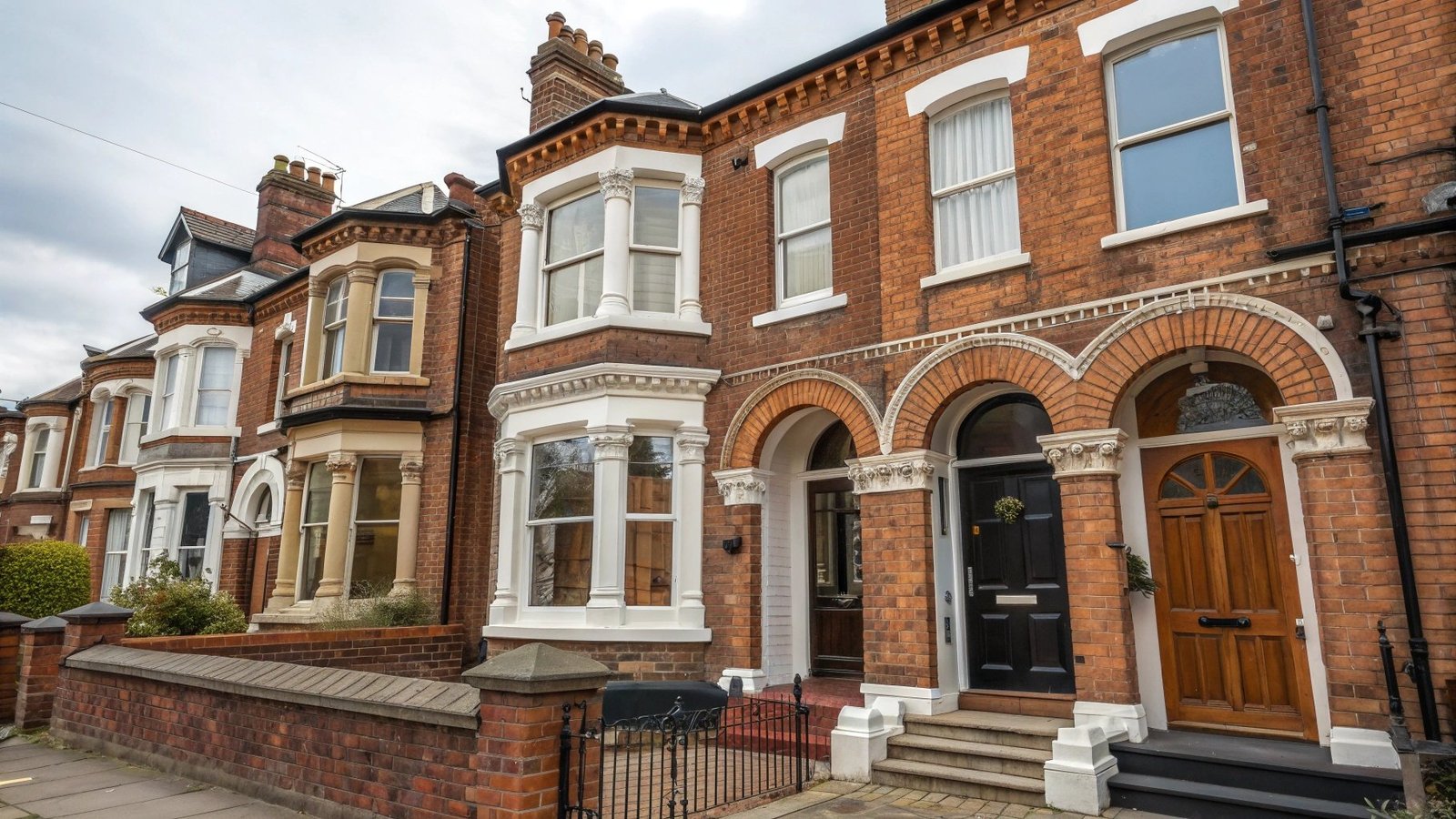
Victorian properties offer character, space, and architectural beauty that modern homes often lack. However, buying a Victorian house requires careful assessment through a comprehensive house survey. These period properties, built between 1837 and 1901, present unique challenges that qualified surveyors are trained to identify. This guide explains what to expect when getting a survey on a Victorian property and the common issues you should be aware of.
Why Victorian Properties Need Specialist Survey Attention
Victorian homes were built using construction methods and materials vastly different from modern properties. Understanding these differences is essential when organising a house survey. Period properties feature solid brick walls without cavity insulation, lime mortar rather than cement, traditional timber floors and joists, slate roofs with potential hidden defects, and original drainage systems that may be deteriorating.
A qualified surveyor with experience in period properties understands how Victorian buildings behave. They recognize which defects are typical age-related issues versus serious structural problems. This expertise is critical—what appears alarming to an inexperienced eye may be normal for a 150-year-old building, while subtle signs might indicate significant structural movement.
When buying a Victorian property, you need a survey that goes beyond surface-level inspection. These buildings have had over a century to develop problems, undergo amateur alterations, and hide defects behind layers of decoration. The right survey uncovers these issues before you buy the property, protecting your investment and preventing expensive post-purchase surprises.
Common Issues Found in Victorian Property Surveys
1. Damp and Moisture Problems
Damp is among the most common defects in Victorian properties. These homes were built before damp proof courses became standard, making them naturally susceptible to rising damp from ground moisture. During a home survey, your surveyor will use moisture meters to detect dampness in walls, floors, and timber elements.
Victorian properties also suffer from penetrating damp where brickwork has deteriorated or pointing has failed. Condensation damp is increasingly common as modern heating and insulation trap moisture inside traditionally breathable buildings. The survey report will identify damp locations, likely causes, and recommended treatments.
Expert Tip
Addressing damp isn't always straightforward in period properties. Modern damp proofing solutions can actually worsen problems if they prevent natural moisture evaporation through lime mortar and solid walls. A qualified surveyor will recommend appropriate treatments that respect the building's traditional construction while effectively managing moisture.
2. Structural Movement and Settlement
Most Victorian properties show some evidence of historic settlement—this is normal for buildings of this age. However, surveyors must distinguish between old, stable movement and active structural problems. During the inspection of the property, your surveyor examines cracks, measures their width, and assesses patterns to determine whether movement is ongoing.
Common causes of structural movement in Victorian homes include:
- Subsidence from clay soil shrinkage, particularly near mature trees
- Heave where ground swells after tree removal
- Undermining of foundations from failed drainage or water leaks
- Wall tie failure in later Victorian properties with early cavity walls
The house survey report will categorize structural movement severity and recommend actions. Minor historic cracks may need only monitoring, while active movement requires investigation by a structural engineer. Understanding whether you're dealing with cosmetic damage or serious structural issues influences your decision to proceed with buying a property.
3. Roof and Chimney Defects
Victorian properties typically feature slate roofs with multiple chimneys—both potential sources of expensive problems. Slate roofs can last 150+ years but eventually become "nail sick" where the fixings corrode, causing slates to slip. A RICS level 3 building survey includes thorough roof space inspection where accessible, identifying loose slates, deteriorating battens, and structural timber issues.
Chimneys present particular challenges. Many have been removed at roof level but left in place below, creating hidden structural voids. Chimney stacks may lean or have defective pointing allowing water penetration. Chimney breasts removed on upper floors without proper structural support create dangerous situations that surveyors will flag as urgent defects.
Roof valleys and flashings around chimneys are critical areas where leaks commonly develop. Even small roof leaks cause significant damage over time, rotting roof timbers and causing ceiling and wall damp. The survey identifies these problems before they become structural emergencies requiring expensive repairs.
4. Timber Decay and Beetle Infestation
Victorian properties rely heavily on structural timber—floor joists, roof rafters, lintels above openings. After 150 years, timber condition varies enormously. Surveyors examine accessible timbers for signs of decay from prolonged dampness and beetle infestation, particularly woodworm and death watch beetle.
Important
Timber decay is especially common where damp problems exist. Wet rot affects timber with high moisture content, while dry rot can spread through entire buildings if untreated. Both conditions significantly affect structural integrity and require specialist treatment. The survey report notes areas of concern and recommends further specialist timber inspection if extensive problems are suspected.
Floor bounce or springiness often indicates deteriorating floor joists beneath. Surveyors assess floor condition by lifting carpets where possible and checking from below if basements or cellars provide access. Understanding timber condition is essential for budgeting repairs when buying a Victorian home.
5. Original Features and Building Regulations
Many Victorian properties have undergone alterations over decades—some professional, others DIY disasters. Surveyors identify work that appears non-compliant with building regulations or poorly executed. Common issues include:
- Removed chimneys without proper support
- Knocked-through walls without adequate lintels
- Loft conversions without building control approval
- Electrical installations not meeting modern standards
Original Victorian features like sash windows, decorative cornices, and fireplaces add value and character. However, they may also present maintenance challenges. The survey assesses condition of original features, noting whether restoration or replacement is needed. This information helps you understand both the property's heritage value and your future maintenance responsibilities.
Which Survey Type for Victorian Properties?
RICS Level 3 Building Survey: The Recommended Choice
For Victorian properties, the RICS level 3 survey (building survey) is strongly recommended. This is the most comprehensive and detailed survey, providing in-depth analysis of every accessible element. Given the age of Victorian homes and potential for hidden problems, the thoroughness of a building survey is invaluable.
The level 3 survey examines:
- All visible and accessible areas
- Construction methods and materials in detail
- Defects with explanations of causes and implications
- Guidance on repairs with indicative costs
- Issues requiring specialist investigation
For a property built 125-185 years ago, this depth of inspection is appropriate and necessary. Home survey costs for a level 3 inspection on a Victorian property typically range from £600 to £1,500 depending on size and location. While more expensive than a level 2 survey, the investment is proportionate to the property value and potential repair costs you might face.
Typical Survey Costs 2026
| Property Type | Level 2 Survey | Level 3 Survey |
|---|---|---|
| Victorian Terrace | £500-£700 | £700-£1,000 |
| Victorian Semi-Detached | £600-£800 | £900-£1,200 |
| Victorian Detached | £700-£1,000 | £1,100-£1,500 |
Why Not a Level 2 Survey?
The RICS home survey level 2 (formerly HomeBuyer Report) is designed for conventional properties in reasonable condition built from common building materials. While it may be adequate for a well-maintained late Victorian house in good condition, it provides less detail than a building survey and may not thoroughly investigate period property-specific issues.
A level 2 survey uses a traffic-light rating system (green/amber/red) but doesn't provide the detailed descriptions and guidance that a building survey offers. For Victorian properties where context and understanding of period construction are crucial, the narrative approach of a level 3 survey is more appropriate.
What to Expect During a Victorian Property Survey
The Survey Process
When you organise a house survey for a Victorian property, the surveyor will typically spend 3-4 hours on site, longer for larger properties. They examine every accessible area including:
- Roofs (from inside roof spaces and externally using binoculars)
- Upper floors and attic spaces
- Ground floors and basements/cellars
- External walls and foundations (where visible)
- Drainage systems and manholes
- Outbuildings and boundary walls
The surveyor takes measurements, photographs, and detailed notes. They lift carpets where possible to inspect floors, open windows to check mechanisms, and test taps and heating systems. For Victorian properties, particular attention goes to original features, evidence of structural movement, dampness and timber condition, and roof and chimney integrity.
Understanding Your Survey Report
The building survey report for a Victorian property is typically 30-50 pages, organized room by room with detailed descriptions. Key sections include:
- Executive summary highlighting main concerns
- Detailed descriptions of construction and materials
- Defects and their significance
- Recommended actions and repairs
- Estimates of repair costs where possible
Don't Panic
Don't be alarmed if your Victorian property survey report lists numerous issues—this is normal for buildings of this age. The key is understanding which problems are serious, which are typical maintenance items, and which are historic issues that have stabilized. Your qualified surveyor can discuss the report with you, helping prioritize concerns and plan your budget for repairs.
Budgeting for Victorian Property Repairs
When buying a Victorian property, budget for both immediate necessary repairs and ongoing maintenance. Typical costs include:
Common Victorian Property Repairs - Costs 2026
| Repair Type | Typical Cost Range |
|---|---|
| Roof repairs | £500-£15,000 |
| Damp treatment | £1,000-£10,000 |
| Repointing brickwork | £50-£100 per m² |
| Sash window restoration | £500-£1,500 per window |
| Chimney repairs | £500-£3,000 per stack |
| Electrical rewiring | £4,000-£8,000 |
The house survey report helps you understand which repairs are urgent versus deferrable. This allows strategic planning—addressing structural issues immediately while scheduling cosmetic improvements over time. Always include a 15-20% contingency in your renovation budget, as period properties often reveal additional issues once work begins.
Frequently Asked Questions About Victorian Property Surveys
Are cracks in Victorian properties always serious?
Not necessarily. Most Victorian homes have some cracks from historic settlement. Surveyors assess whether cracks are old and stable or indicate active movement. Hairline cracks are usually cosmetic, while wider cracks (5mm+) or diagonal cracks require investigation.
How much does damp treatment cost in Victorian houses?
Costs vary enormously depending on the cause and extent. Improving ventilation might cost £500-£1,000, while installing a damp proof course ranges from £2,000-£5,000. Major works including replastering could reach £10,000+. The survey identifies specific problems so you can get accurate quotes.
Should I be concerned about solid walls without cavity insulation?
Solid walls are how Victorian properties were built and don't represent a defect. They perform differently from modern cavity walls—they're less thermally efficient but allow moisture to evaporate naturally. Understanding this helps manage expectations about heating costs and appropriate insulation methods.
What if the survey reveals no damp proof course?
This is normal—damp proof courses weren't standard when Victorian properties were built. Many Victorian homes manage moisture acceptably without one through breathable materials and good maintenance. The survey assesses whether dampness is actually a problem or if the building is performing adequately.
Can I negotiate the price based on survey findings?
Absolutely. If the survey reveals significant defects not disclosed by the estate agent, you can request a price reduction reflecting repair costs, ask the seller to complete repairs before completion, or withdraw from the purchase if problems are too severe. The survey provides evidence for negotiations.
Making Informed Decisions About Victorian Properties
Victorian homes offer wonderful living spaces with character modern properties can't match. However, they require informed buying decisions based on thorough understanding of condition. A comprehensive building survey conducted by a qualified surveyor experienced with period properties provides this crucial information.
Don't let a lengthy survey report with numerous observations deter you—Victorian properties naturally have more issues than new builds. The question isn't whether problems exist, but whether they're manageable within your budget and risk tolerance. Many defects in Victorian homes are repairable, and understanding them through a professional survey allows confident decision-making.
Buying a Victorian Property?
Get a comprehensive RICS Level 3 building survey from surveyors experienced with period properties. We'll identify issues specific to Victorian homes and provide detailed guidance for your purchase decision.
Request Your Survey Quote Today