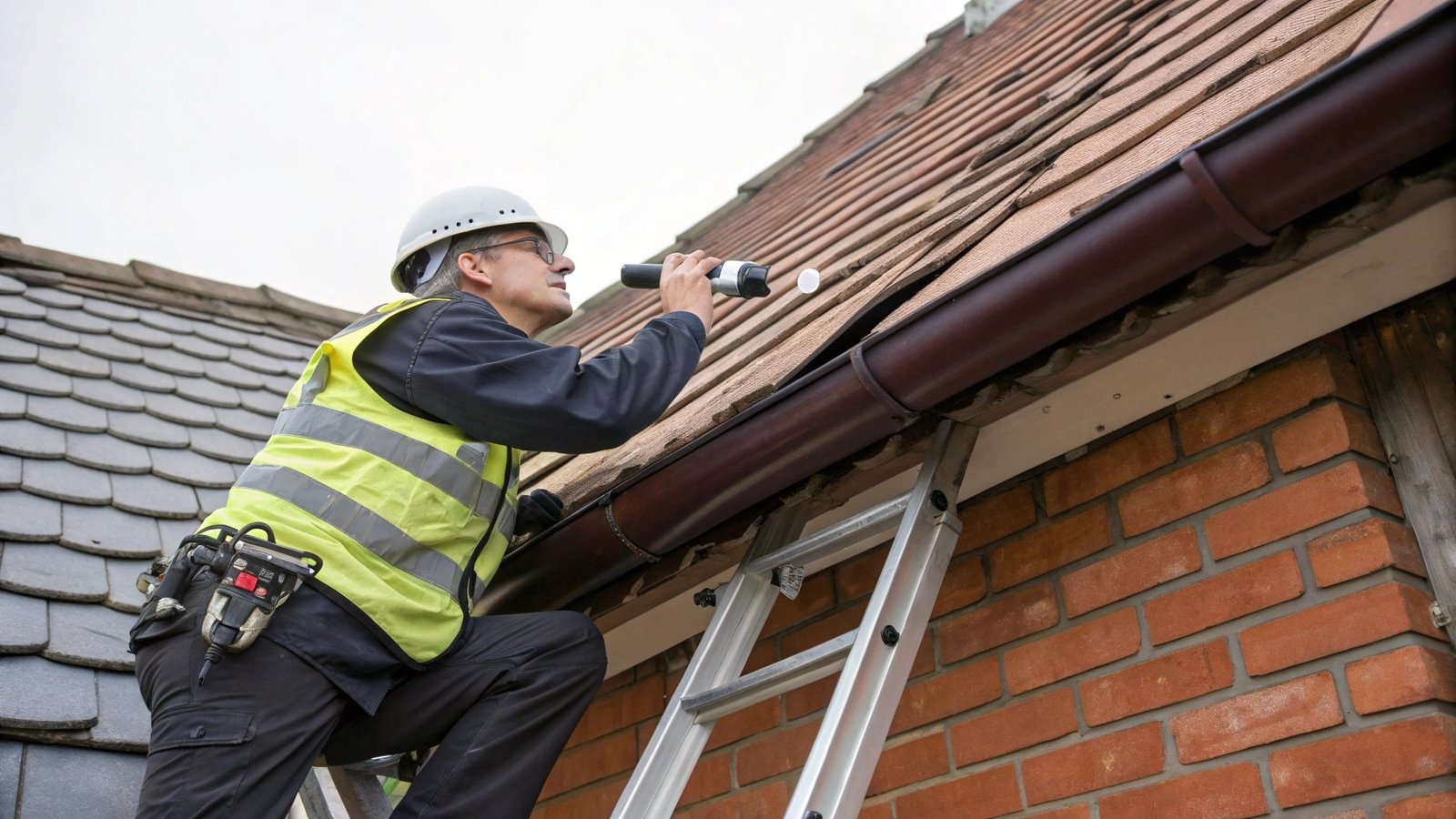
Roof defects are among the most common and costly issues identified in house surveys. As the property's primary protection against weather, a compromised roof causes extensive damage if left unaddressed. This comprehensive guide explores the most frequent roof problems surveyors encounter, associated repair costs, and how different survey types assess roof condition when you're buying a property.
Why Roof Condition Matters in House Surveys
During a home survey, qualified surveyors pay close attention to roof condition because roof failures cascade into multiple problems. Water penetration rots timber structures, causes ceiling and wall dampness, damages insulation and electrical systems, and leads to expensive interior repairs beyond just roof fixes. Understanding roof condition before you buy the property is essential for accurate budget planning.
The inspection level depends on survey type. A basic RICS level 1 home survey includes only visual inspection from ground level using binoculars. A RICS home survey level 2 examines the roof from ground level and from inside the roof space where safely accessible. A comprehensive building survey (level 3) involves the most thorough roof inspection, with the surveyor examining all accessible areas including roof spaces, chimneys, and external roof surfaces where safe access exists.
Expert Insight
For older properties or those with visible roof concerns, the detail provided by a level 2 or level 3 survey is invaluable. These surveys identify problems early, allowing you to negotiate repairs or price reductions before committing to purchase.
Most Common Roof Problems Found in Surveys
1. Missing, Slipped, or Damaged Tiles and Slates
Individual tile or slate damage is extremely common, particularly in older properties. High winds, frost damage, and general age cause tiles to crack, slip out of position, or fall off entirely. During an inspection of the property, surveyors note areas of missing or damaged roof covering, as even small gaps allow water penetration that causes progressive damage.
Slate roofs, common on Victorian properties, eventually become "nail sick" where the fixings corrode. This causes slates to slip progressively until replacement becomes necessary. Concrete tiles on 1950s-1980s properties may crack or deteriorate, while newer properties might have incorrectly installed interlocking tiles that don't provide adequate weather protection.
Tile & Slate Repair Costs 2026
| Repair Type | Typical Cost |
|---|---|
| Replace a few tiles | £100-£300 |
| Partial roof tile replacement | £2,000-£5,000 |
| Complete re-roofing (small) | £5,000-£8,000 |
| Complete re-roofing (large) | £15,000-£35,000 |
Your house survey report will indicate whether problems are isolated or systemic, helping you understand whether simple repairs suffice or complete re-roofing is approaching.
2. Valley and Flashing Failures
Roof valleys (where two roof slopes meet) and flashings (where roofs meet walls or chimneys) are critical weatherproofing details that commonly fail. These junctions collect water runoff and must be properly sealed. When valley linings deteriorate or flashings become loose, water penetrates into the building, often unnoticed until extensive damage occurs.
Lead flashings traditionally used in UK properties last decades but eventually crack or fail. Cheaper alternatives like felt or cement fillets deteriorate faster. During a home survey, surveyors examine these critical areas, looking for signs of past water penetration such as staining on ceilings near chimneys or external walls.
Warning Signs
Repairing or replacing valley linings costs £500-£2,000 per valley. Flashing repairs range from £200-£800 per chimney or junction depending on complexity and materials. While individual repairs aren't devastatingly expensive, multiple failing flashings indicate roof age and may suggest other deterioration requiring attention.
3. Sagging Roof Lines and Structural Problems
Visible sagging in roof lines indicates structural problems with underlying timbers or supports. This serious defect requires investigation because it suggests:
- Timber decay from prolonged dampness
- Inadequate original design
- Overloading from heavy roof coverings
- Damage from alterations like removed chimney breasts
Surveyors identify sagging through careful visual inspection from various angles. Inside the roof space, qualified surveyors examine rafters, purlins, ridge boards, and other structural elements. They look for deflection, splitting, notching that weakens timbers, beetle infestation, and rot from prolonged dampness.
Structural roof problems are concerning because they threaten the entire roof's integrity if left unaddressed. Repair costs depend on problem extent. Minor reinforcement might cost £1,000-£3,000, while major structural repairs or partial roof rebuilding reaches £8,000-£25,000+.
Professional Assessment
A building survey identifying such problems typically recommends structural engineer assessment before you proceed with buying a property, as costs can be substantial and complex.
4. Inadequate or Damaged Insulation
While not a defect threatening building integrity, inadequate roof insulation significantly affects energy costs and comfort. Modern building regulations require substantial roof insulation, but older properties often have thin or compressed insulation that no longer performs effectively. Surveyors note insulation condition during roof space inspections.
Damaged insulation from past leaks or pest activity requires replacement. Wet insulation loses thermal performance and promotes timber decay. Additionally, improper insulation installation blocking ventilation can cause condensation problems leading to timber rot—a situation where well-intentioned upgrades actually cause damage.
Upgrading roof insulation costs £300-£1,500 for typical properties depending on accessibility and insulation type. While not urgent, factoring insulation improvements into your renovation budget improves home efficiency and reduces ongoing energy costs.
5. Flat Roof Problems
Flat roofs over extensions, porches, or garages commonly develop problems. Traditional felt flat roofs last 10-20 years before requiring replacement. During surveys, surveyors look for:
- Ponding water (indicating inadequate falls)
- Blistering or cracking felt
- Vegetation growth
- Perished seams or edges
Flat roofs are particularly problematic because failures aren't immediately visible—water may penetrate and cause damage before exterior problems are obvious.
Flat Roof Replacement Costs 2026
| Size/System | Typical Cost |
|---|---|
| Small flat roof (felt) | £600-£1,500 |
| Medium flat roof (felt) | £1,500-£3,000 |
| EPDM rubber (small) | £1,000-£2,000 |
| GRP fibreglass (medium) | £2,500-£5,000 |
Modern alternatives like EPDM rubber or GRP fibreglass offer longer lifespans but cost more initially. If your property survey reveals a deteriorating felt flat roof, plan for replacement within the next few years.
6. Gutter and Drainage Issues
Defective guttering causes multiple problems including:
- Water cascading down walls causing penetrating damp
- Erosion of mortar and brickwork
- Saturation of ground near foundations potentially contributing to subsidence
- Interior dampness from overflows near windows and doors
Surveyors inspect gutters for blockages, leaks, incorrect falls, and deterioration. Cast iron gutters on older properties often rust through, while plastic systems on newer homes can crack or become dislodged. Downpipe problems are equally concerning—if rainwater isn't effectively channeled away from foundations, it causes significant issues.
Cost Comparison
- Gutter clearing: £50-£150
- Gutter repairs: £100-£400
- Complete replacement: £400-£1,200+
These relatively modest costs prevent far more expensive problems, making gutter maintenance excellent value.
How Different Survey Types Assess Roofs
RICS Level 1 Survey (Basic)
The RICS level 1 home survey offers limited roof assessment. Surveyors view the roof from ground level using binoculars but don't access roof spaces or closely examine all areas. This basic inspection identifies obvious problems like missing tiles or visible sagging but may miss hidden defects.
Best for: New builds or modern homes less than 20 years old
Survey costs: £350-£500
Roof coverage: Ground-level visual inspection only
RICS Home Survey Level 2 (Standard)
The level 2 survey provides more comprehensive roof inspection. Surveyors view the roof from ground level and enter roof spaces where safely accessible. This allows examination of internal roof structure, insulation, and signs of past leaks. The level 2 survey identifies most significant roof problems and provides condition ratings, flagging issues requiring further investigation or immediate attention.
Best for: Standard properties 20-100 years old in reasonable condition
Survey costs: £450-£800
Roof coverage: Ground level + roof space inspection
RICS Level 3 Building Survey (Comprehensive)
The building survey offers the most thorough roof assessment. Surveyors access all safely reachable areas, examine roof coverings closely where possible, inspect roof spaces comprehensively, and provide detailed descriptions of construction, materials, and condition.
Best for: Properties over 100 years old, unusual construction, or poor condition
Survey costs: £600-£1,500
Roof coverage: Comprehensive examination of all accessible areas
Property-Specific Advice
If you're dealing with a large building that is unusual, an older property, or one with visible roof concerns, the level 3 survey's detail justifies the higher survey cost. For properties where you're planning major works or renovation, the building survey's comprehensive roof assessment helps plan interventions and budget accurately.
When Roof Problems Should Concern Buyers
Red Flags in Survey Reports
Certain roof findings warrant serious concern:
- Visible structural sagging or deflection
- Widespread tile/slate deterioration requiring full replacement
- Active leaks with evidence of water penetration
- Major flashing failures around multiple chimneys or junctions
- Inadequate or dangerous roof access making full assessment impossible
These issues suggest significant expense and should factor heavily into purchase decisions. If your home survey identifies such problems, speak to your surveyor about implications and costs. You may need specialist roofing contractor quotes to understand true repair expenses.
Age-Appropriate vs. Excessive Wear
Context matters when assessing roof condition. A few missing tiles on a 100-year-old property are age-appropriate and manageable. However, widespread tile failure on a 20-year-old house suggests inferior materials or poor installation—more concerning because problems emerged prematurely.
Surveyor Assessment
Similarly, some roof structures show minor historic movement that has stabilized—this is normal for old buildings. Active, ongoing structural problems are different and require immediate assessment. Your qualified surveyor distinguishes between age-related wear requiring routine maintenance and serious defects threatening building integrity or value.
Frequently Asked Questions About Roof Problems
How long do different roof types last?
Slate roofs: 60-150+ years | Clay tiles: 50-100 years | Concrete tiles: 30-50 years | Flat felt roofs: 10-20 years | EPDM rubber: 40-50 years. Actual lifespan depends on quality, installation, maintenance, and weather exposure.
Can surveyors go on roofs during surveys?
Surveyors generally don't walk on roofs for safety and insurance reasons. They inspect from ground level, from roof spaces internally, and occasionally from nearby higher ground or adjacent buildings. For detailed roof condition assessment, specialist roofing contractors can provide close-up inspections if survey findings warrant it.
Should I negotiate the price if the roof needs work?
Yes, if significant work is needed. A roof requiring complete replacement costing £10,000-£20,000 justifies renegotiation. Minor repairs costing a few hundred pounds are typically factored into pricing for older properties, but transparency from survey findings allows fair negotiation.
What if I can't access the roof space during the survey?
Surveyors note inaccessible areas in reports as limitations. Without roof space access, they cannot assess internal structure or insulation. Consider arranging access if possible, or factor unknown roof condition into your risk assessment and potentially budget higher contingency for hidden problems.
Are solar panels on roofs a concern?
Solar panels complicate roof inspection and future roof work. Surveyors note their presence and condition but may not assess roof covering beneath. Removing and reinstalling panels for roof repairs costs £1,000-£3,000+. Check panel ownership, warranties, and feed-in tariff arrangements before purchase.
Conclusion: Don't Overlook Roof Condition
Roof problems are among the most significant defects found during house surveys, with potential repair costs ranging from hundreds to tens of thousands of pounds. A comprehensive home survey examining roof condition thoroughly protects you from expensive post-purchase surprises.
Whether you need a house survey for a modern property or a Victorian terrace, understanding roof condition is essential. The right survey type ensures appropriate inspection depth, while qualified surveyors identify problems and provide guidance on necessary actions. Use this information to negotiate fairly, plan your budget accurately, and make confident decisions when buying a property.
Concerned About Roof Condition?
Our comprehensive house surveys include thorough roof inspections by qualified surveyors. Get the information you need to buy with confidence.
Request Your Survey Quote Today