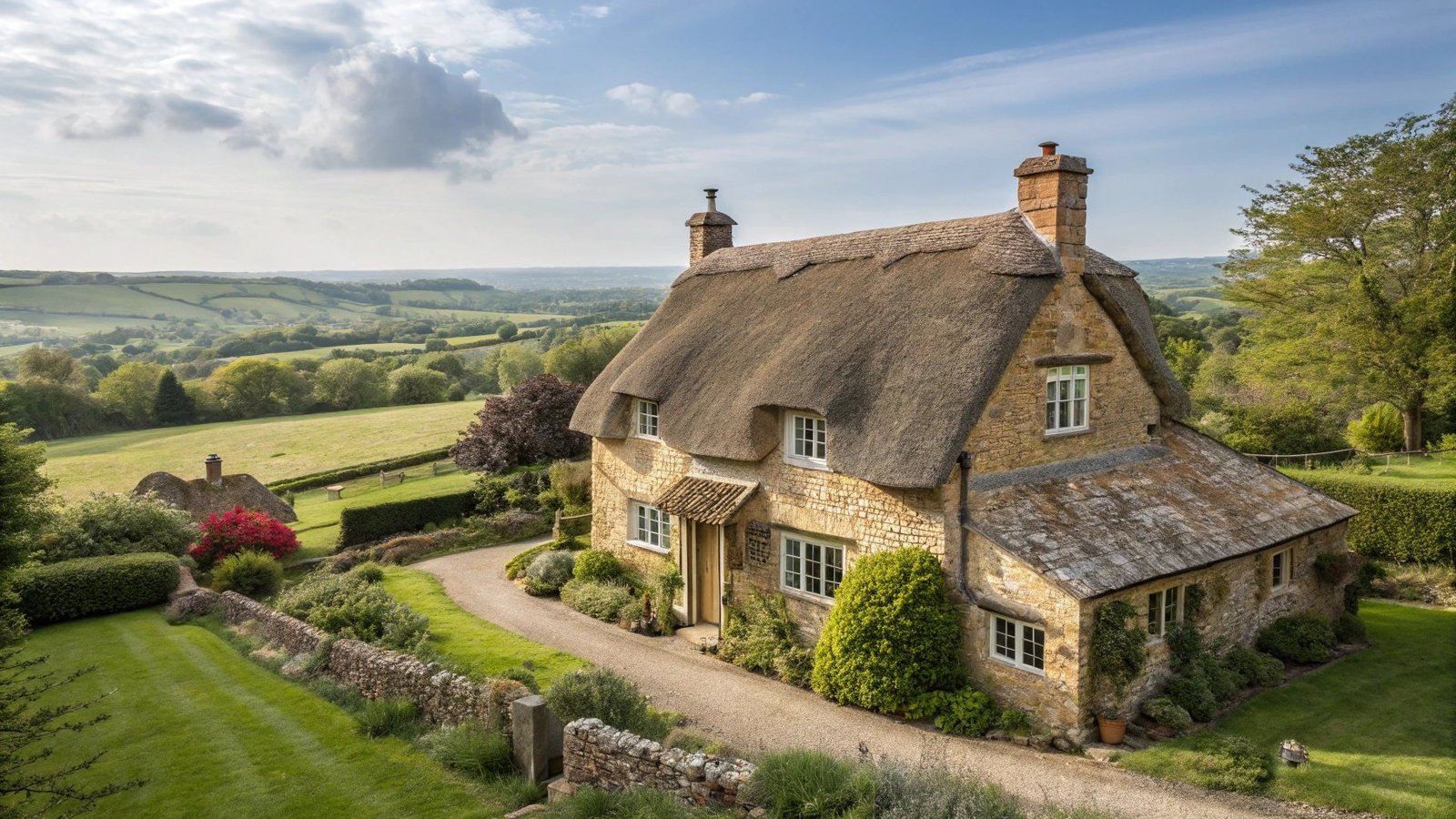
Buying a rural property offers idyllic countryside living, but these homes present unique challenges not found in urban properties. From private water supplies to agricultural restrictions, rural house surveys must examine issues that standard property inspections may overlook. This comprehensive guide explains what you need to know when getting a survey for a rural property.
Why Rural Properties Need Specialist Survey Attention
Rural properties often feature non-standard construction, off-grid utilities, and extensive grounds requiring specialized assessment. A qualified surveyor with rural property experience understands these unique characteristics and identifies issues that urban-focused surveyors might miss.
When you're buying a property in the countryside, standard home surveys cover building structure and condition, but rural surveys must also consider septic tanks and private drainage, private water supplies and wells, oil or LPG heating systems, access rights and maintenance responsibilities, agricultural ties and restrictions, and outbuildings, barns, and land management.
Rural Reality
Many rural property buyers relocating from urban areas underestimate ongoing costs and maintenance responsibilities. A comprehensive building survey helps you understand what you're taking on, from septic tank emptying costs to access track maintenance, ensuring your budget reflects rural living realities.
Unique Rural Property Issues Surveys Identify
1. Private Drainage and Septic Systems
Rural properties often lack mains drainage, relying instead on septic tanks, treatment plants, or cesspits. These systems require regular maintenance and eventual replacement—costs rarely considered by first-time rural buyers. During a home survey, surveyors locate drainage systems, assess visible condition, and recommend specialist drainage surveys if concerns exist.
Septic tanks require emptying every 12-18 months at £100-£200 per visit. Treatment plants need more frequent servicing, costing £150-£300 annually. Failed systems require replacement at £3,000-£8,000+, making their condition critical when buying a property. Surveyors also verify whether systems comply with current environmental regulations—non-compliant systems must be upgraded or replaced.
Drainage Warning
Properties with cesspits (sealed tanks requiring frequent emptying) are least desirable. Emptying costs £200-£400 every 2-3 months for typical families—£800-£1,600 annually. If your survey identifies a cesspit rather than septic tank or treatment plant, factor significant ongoing costs or budget for septic system installation.
2. Private Water Supplies
Some rural properties use private water from wells, boreholes, or springs rather than mains supply. Private supplies require regular testing to ensure water quality and adequate flow rates. House survey reports note private water supplies and recommend specialist water testing before purchase.
Private water brings ongoing responsibilities including annual water quality testing (£100-£300), pump and filtration system maintenance (£100-£500 annually), and potential treatment costs if contamination is detected. Drought years may see wells run dry, requiring expensive drilling to deepen or relocate water sources.
3. Heating Systems: Oil, LPG, and Solid Fuel
Rural properties off the gas grid rely on alternative heating. Oil-fired central heating is common but requires oil tank maintenance and more expensive fuel than mains gas. LPG systems are cleaner but typically even costlier per unit. Solid fuel systems (wood burners, ranges) provide charm but demand daily attention and maintenance.
Surveyors examine heating system condition, noting boiler age and efficiency, oil tank condition and location, compliance with current regulations, and flue and chimney condition for solid fuel systems. Oil tanks have limited lifespans—steel tanks last 10-15 years, plastic tanks 15-20 years. Replacement costs £800-£2,000 including installation.
Rural Heating Costs Comparison 2026
| Fuel Type | Cost per kWh | Annual Cost (3-bed house) |
|---|---|---|
| Mains gas | 7p | £1,200-£1,600 |
| Oil | 9p | £1,600-£2,000 |
| LPG | 11p | £1,900-£2,400 |
| Electric storage heaters | 24p | £3,500-£4,500 |
4. Access Rights and Responsibilities
Rural properties often have shared private access tracks crossing multiple owners' land. Understanding access rights and maintenance responsibilities is crucial. Your surveyor notes access arrangements and recommends careful legal review of rights of way, maintenance obligations, and potential disputes.
Key questions include: Who owns the access track? Who pays for maintenance and repairs? Are there formal agreements between neighbors? What happens if access is blocked or disputed? Your solicitor must investigate these thoroughly, but survey observations provide starting points for legal queries.
5. Agricultural Restrictions and Tied Cottages
Some rural properties have agricultural occupancy restrictions limiting who can legally occupy them. These "agricultural ties" require occupants to work in agriculture or forestry locally. Properties with restrictions typically sell at 20-40% discounts but come with occupation limitations affecting resale and mortgage availability.
Surveyors note if properties appear to have been agricultural cottages or tied accommodation. Your solicitor must verify current restrictions, but survey evidence of agricultural connections prompts appropriate legal investigation. Mortgaging restricted properties is difficult—many lenders won't lend, and those that do charge higher interest rates.
6. Outbuildings and Land Management
Rural properties often include extensive outbuildings—barns, stables, workshops, and stores. RICS level 3 building surveys examine all structures, noting condition and structural integrity. Outbuildings are expensive to maintain and repair—budget accordingly based on survey findings.
Land management is another consideration. Larger plots require maintenance—grass cutting, hedge trimming, tree management. If purchasing land, consider costs and time. Survey reports describe land extent and condition, helping you assess management requirements and costs.
Construction Challenges in Rural Properties
Non-Standard Construction Methods
Rural properties, particularly older cottages, often feature traditional construction unfamiliar to urban-focused surveyors. Cob, stone, timber frame, and other regional building methods require specialist knowledge. When organising a house survey for a rural property, ensure your surveyor has period and rural property experience.
Traditional Construction
Traditional rural construction "breathes"—solid walls allow moisture movement unlike modern cavity walls. Inappropriate modern repairs using cement-based materials trap moisture causing damage. Your surveyor should understand these principles and identify inappropriate repairs requiring correction.
Damp in Rural Properties
Damp is particularly common in rural properties due to exposed locations, solid wall construction, thick walls retaining moisture, and age. However, some dampness is normal for buildings of this type. Qualified surveyors distinguish between acceptable moisture levels and problematic damp requiring intervention.
Treating damp in traditional rural buildings requires breathable materials and methods respecting original construction. Modern damp-proof courses and cement renders often worsen problems. Survey recommendations should align with conservation best practices for the building type.
Foundation and Ground Movement Issues
Rural properties on clay soils are vulnerable to subsidence, particularly with nearby trees. However, many rural cottages have shallow or irregular foundations by modern standards yet have stood for centuries. Surveyors assess whether any movement is active or historic, distinguishing between stable age-related settlement and progressive problems requiring attention.
Specific Considerations for Different Rural Property Types
Period Cottages and Farmhouses
Centuries-old cottages present unique challenges. Original features like exposed beams, inglenook fireplaces, and stone floors add character but require sensitive maintenance. Listed building status brings additional restrictions—alterations require consent and must use appropriate materials and methods.
Your house survey report describes heritage features, notes conservation requirements, and identifies sympathetic repair approaches. Listed building insurance costs more than standard policies, and specialist tradespeople command premium rates—factor these into ownership costs.
Converted Barns
Barn conversions are popular but bring specific considerations. Agricultural buildings often have minimal foundations, single-skin walls, and large open spaces requiring significant structural intervention for residential use. Surveyors assess conversion quality, noting whether work appears professionally designed and executed.
Poor-quality conversions suffer from thermal performance issues (vast heating costs), inadequate weatherproofing, and structural problems from insufficient foundations. A building survey reveals whether conversions meet building regulations and function successfully as dwellings.
Properties with Substantial Land
Properties with acreage bring management responsibilities. Surveyors describe land types—pasture, woodland, gardens—but aren't agricultural specialists. Consider engaging rural surveyors or land agents for properties with significant land to assess agricultural value, management requirements, and potential income opportunities.
Land also brings liabilities. Boundary fences, hedges, and ditches require maintenance. If land borders public rights of way, you have obligations. Woodland may have tree preservation orders or forestry restrictions. Your survey and legal searches should identify these responsibilities.
The Rural House Buying Process
Choosing the Right Survey
For rural properties, particularly older or non-standard construction, RICS level 3 building surveys are strongly recommended. The comprehensive inspection examines rural-specific features thoroughly. Level 1 or 2 surveys lack depth for assessing countryside properties' unique characteristics.
Ensure your surveyor has rural property experience. Urban surveyors may lack familiarity with traditional construction, private utilities, and agricultural considerations. Ask potential surveyors about their rural property experience before commissioning the survey.
Additional Investigations
Rural property surveys often recommend specialist investigations:
- Drainage survey: CCTV inspection of septic systems and drainage (£150-£400)
- Water testing: Private supply quality and flow testing (£100-£300)
- Timber survey: Specialist assessment of structural timbers (£300-£600)
- Structural engineer: Assessment of movement or unusual construction (£500-£1,200)
- Ecology survey: Protected species assessment if required (£300-£800)
Legal Searches
Rural properties require additional legal searches beyond standard property purchases. Your solicitor should conduct coal mining searches (if in mining areas), environmental searches for contamination or flooding, Commons Registration searches, agricultural holding searches, and Rights of Way searches. These protect against hidden liabilities.
Frequently Asked Questions
Are rural properties more expensive to maintain than urban homes?
Generally yes. Ongoing costs for septic tank emptying, oil delivery, access track maintenance, and land management exceed typical urban property expenses. Budget £2,000-£5,000+ annually for rural-specific costs beyond normal home maintenance. Your survey helps quantify these based on property specifics.
Can I get a mortgage on a property with agricultural restrictions?
Some lenders offer mortgages for restricted properties but selection is limited and interest rates higher. Many mainstream lenders won't lend at all. If your survey or solicitor identifies agricultural ties, speak to specialist rural mortgage brokers early in the purchase process.
What if the survey reveals the septic system needs replacing?
Negotiate with the seller for a price reduction reflecting replacement costs (£3,000-£8,000 typically) or request they install a compliant system before completion. Many buyers walk away from properties with failing septic systems rather than inherit immediate expensive problems.
Should I worry about damp in an old cottage?
Some moisture is normal in traditional solid-wall construction. Your surveyor distinguishes between acceptable moisture levels and problematic damp causing decay. Don't expect old cottages to be as dry as modern homes—they're different building types functioning differently. Focus on whether moisture is causing structural damage.
How do I know if the surveyor understands rural properties?
Ask directly about their rural property experience. Inquire how many rural surveys they conduct annually, whether they're familiar with traditional construction methods in your region, and if they understand private utility systems. RICS members' profiles often indicate specializations—look for rural or agricultural property experience.
Conclusion: Informed Rural Property Decisions
Rural properties offer wonderful living environments but demand different considerations than urban homes. A comprehensive building survey from a qualified surveyor experienced with countryside properties provides essential information about condition, ongoing costs, and unique rural characteristics.
Whether you're buying a property in a rural village, a converted barn, or an isolated cottage, professional survey advice protects your investment. The survey cost is modest insurance against expensive surprises from septic system failures, access disputes, or structural problems requiring specialist intervention.
Buying a Rural Property?
Get a comprehensive survey from surveyors experienced with countryside properties. We understand rural building challenges, private utilities, and traditional construction, providing the detailed assessment you need.
Request Your Survey Quote Today